Thursday, 4 May 2023

The USD's Outlook in May 2023: Factors Influencing the Currency's Performance


 As of May 2023, the United States Dollar (USD) has been experiencing some fluctuations in its outlook against other major currencies. There are several factors that have been contributing to the USD's performance.


One of the main drivers of the USD's outlook is the state of the US economy. The US economy has been performing well in recent years, with low unemployment, steady GDP growth, and a healthy business environment. These factors have been supportive of the USD, as investors are attracted to countries with strong economic fundamentals.


However, there are also some risks to the USD's outlook. One of these risks is the potential for a global economic slowdown. If major economies around the world experience a slowdown, this could lead to decreased demand for US goods and services, which would in turn weaken the USD.


Another risk to the USD's outlook is political uncertainty. The US political environment has been volatile in recent years, with ongoing investigations and potential policy changes causing uncertainty among investors. This uncertainty has the potential to weaken the USD, as investors may become hesitant to invest in the US.


In addition to these factors, the actions of the US Federal Reserve have also been influencing the USD's outlook. The Federal Reserve has been gradually raising interest rates over the past few years, and this has helped to support the USD. However, the Fed has also been indicating that it may slow down or even pause its rate hikes in the near future. If this happens, it could weaken the USD.


Looking ahead, it is difficult to predict exactly how the USD will perform in the coming months and years. There are a number of factors that could influence its outlook, including economic growth, political stability, and the actions of the Federal Reserve. However, the US economy remains one of the strongest in the world, which bodes well for the USD's long-term prospects.


In conclusion, the outlook for the USD in May 2023 is influenced by a number of factors, including the state of the US economy, political uncertainty, and the actions of the Federal Reserve. While there are risks to the currency's outlook, the US remains one of the strongest economies in the world, which provides a solid foundation for the USD's long-term performance.

Why the Indonesian Rupiah (IDR) is Strengthening in May 2023: A Look at the Factors Behind the Currency's Performance


As of May 2023, the Indonesian Rupiah (IDR) has been performing well against major currencies, including the United States Dollar (USD). The IDR has been strengthening, and this has been attributed to a number of factors.


One of the main reasons for the IDR's strength is the country's improving economic fundamentals. Indonesia's GDP growth rate has been steadily increasing over the past few years, and this trend has continued into 2023. This growth has been driven by a number of factors, including strong domestic demand, rising consumer confidence, and increasing investment.


The country has also been implementing a number of economic reforms aimed at boosting growth and attracting investment. These reforms include measures to improve the business climate, simplify regulations, and reduce corruption. These reforms have been well-received by investors, who are increasingly viewing Indonesia as an attractive destination for investment.


Another factor contributing to the IDR's strength is the country's robust external position. Indonesia has been running a current account surplus, which means that it is exporting more than it is importing. This has helped to support the value of the IDR, as investors are attracted to countries with strong external positions.


Furthermore, Indonesia's foreign exchange reserves have been increasing steadily, providing a cushion against any potential external shocks. The country's central bank has also been maintaining a prudent monetary policy, which has helped to keep inflation under control and maintain the stability of the IDR.


Political stability has also contributed to the IDR's strength. Indonesia has experienced a period of relative political calm in recent years, which has helped to improve investor sentiment. This stability has been supported by a peaceful election process and a generally positive outlook for the country's political environment.


Looking ahead, there are some risks to the IDR's continued strength. These include potential external shocks, such as a global economic slowdown or a sharp increase in oil prices. However, the country's improving economic fundamentals, robust external position, and political stability provide a solid foundation for the currency's continued strength.


In conclusion, the IDR's strength in May 2023 can be attributed to a number of factors, including the country's improving economic fundamentals, robust external position, and political stability. While there are risks to the currency's continued strength, the outlook for the IDR remains positive, and investors will no doubt be watching closely as events unfold.

The Fluctuating Exchange Rate of USD and IDR in 2023: Causes and Outlook


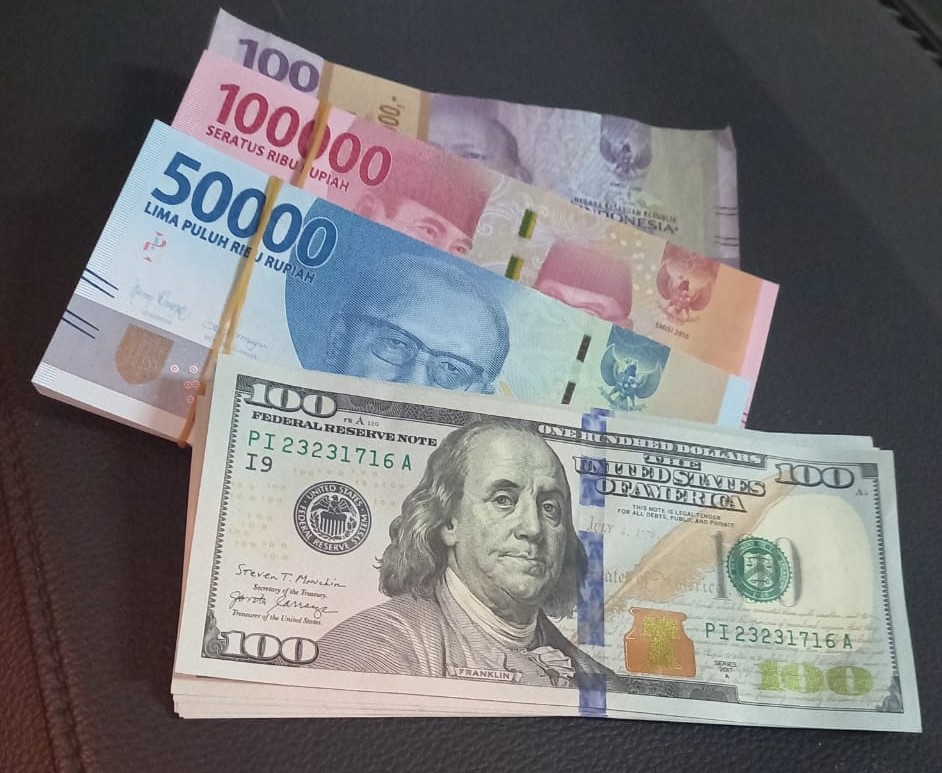
As of May 4, 2023, the United States Dollar (USD) and the Indonesian Rupiah (IDR) have been experiencing some fluctuations in their exchange rate. The value of the IDR has been fluctuating against the USD due to various factors, including changes in the global economy and political instability.


In recent years, the IDR has been generally weakening against the USD. This trend has been driven by a number of factors, including rising inflation, a widening trade deficit, and political uncertainty. However, there have been some recent signs that the IDR may be stabilizing, with the central bank taking measures to support the currency.


One factor that has contributed to the weakness of the IDR has been rising inflation. Inflation in Indonesia has been rising steadily in recent years, driven by higher food prices and rising energy costs. This has put pressure on the IDR, as investors have become more concerned about the outlook for the economy.


Another factor that has contributed to the weakness of the IDR has been a widening trade deficit. Indonesia has traditionally relied on exports to drive its economy, but in recent years the country has been importing more than it exports. This has put pressure on the IDR, as investors have become concerned about the country's ability to finance its imports.


In addition to these economic factors, political instability has also contributed to the weakness of the IDR. Indonesia has experienced a number of political crises in recent years, including the impeachment of the country's president and ongoing protests over corruption and human rights abuses. This has created uncertainty among investors, who are hesitant to invest in the country.


Despite these challenges, there are some signs that the IDR may be stabilizing. The central bank has taken measures to support the currency, including raising interest rates and intervening in the foreign exchange market. In addition, Indonesia has been pursuing economic reforms aimed at boosting growth and attracting investment.


Looking ahead, it is difficult to predict exactly how the USD and IDR will perform in the coming months and years. The global economy remains uncertain, and political instability could continue to pose challenges for Indonesia. However, there are also reasons to be optimistic about the country's economic prospects, including its large and growing middle class and its strategic location in Southeast Asia. Overall, the future of the USD and IDR remains uncertain, but investors will no doubt be watching closely as events unfold.